

WELCOME TO THE PLAYBOOK!
Below is our recommended timeline for wedding-day photography. It serves as a flexible blueprint based on our experience and is designed to help you make the most of your photography coverage.
Keep in mind that every wedding timeline will differ depending on personal preferences, venue requirements and other factors. Open communication with your vendors will help ensure everyone is aligned with your vision for the day.
While we’re happy to offer guidance regarding your photography timeline, we’re not wedding planners. For comprehensive planning assistance, we recommend engaging one of the experienced wedding planners from our recommended supplier list.

RECOMMENDED TIME ALLOCATION
Groom Prep: 1 hour
Bride Prep: 1.5 hours
Pre-Ceremony: 15-20 minutes
Ceremony: 30 minutes for Civil Ceremonies
The duration of religious ceremonies may vary depending on specific customs or traditions.
Post-Ceremony Congratulatory Mingling: 15-20 minutes
Family Photos: 20 minutes
Bridal Party Photos: 20 minutes
Couple Photos: 1 hour
Cocktail Hour: 20-30 minutes
Reception Decor | Set Up: 15 minutes
Sunset Photos: 15-20 minutes
Reception Coverage Ends: 30 minutes from when your dance floor starts.
ADDITIONAL NOTES
Please note that the timeline above does not include travel time between locations. When planning your photo timeline, it's essential to factor in any travel requirements, considering that traffic and parking can cause delays.
To minimise travel-related issues, consider booking all wedding locations nearby. This approach simplifies capturing preparations. We highly recommend adding a second shooter to manage logistics effectively if proximity is unavoidable.
Choosing your getting-ready location
Your getting-ready space sets the scene for the first photographs of your day. Beyond having enough room for everyone, look for beautiful natural light, uncluttered surroundings and furnishings that complement the feel of your wedding.
Bright, airy rooms with interesting textures and thoughtful details photograph beautifully. Large windows, lovely curtains, an elegant armchair or a textured wall can give us a beautiful backdrop for everything from getting dressed to portraits before you leave.
The Langham in Sydney is one of my personal favourites. I love its elegant interiors and beautiful furnishings, while the surrounding streetscape offers lovely opportunities for portraits or a first look together before the ceremony.
Above all, choose somewhere you feel comfortable and that works with your plans. Keeping your accommodation close to your other locations also means less time travelling and more time enjoying the day.
GROOM PREP
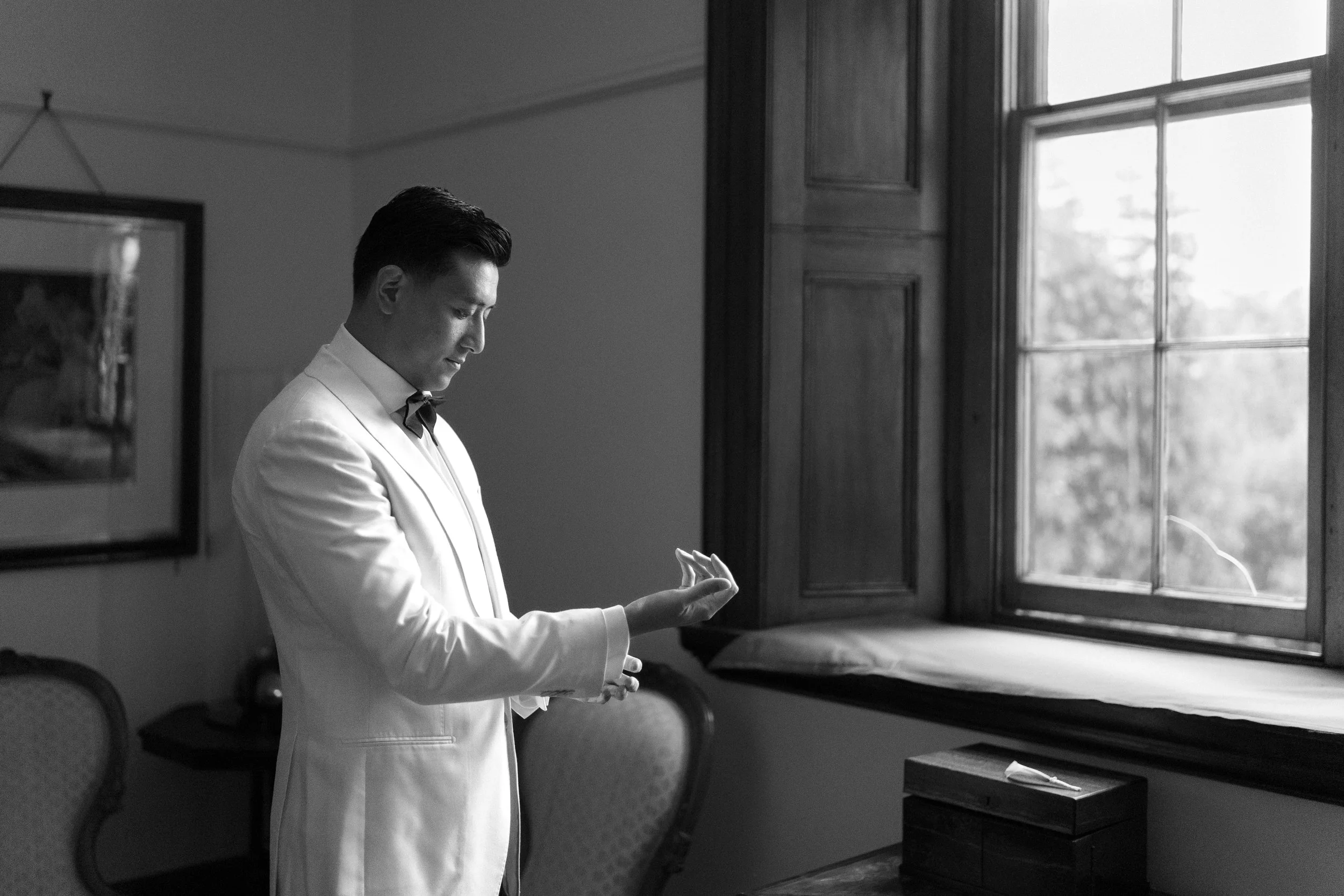
Upon our arrival, the groom and groomsmen should be showered, dressed in their trousers, shirts and shoes - ready for photos. We’ll document the final getting-ready details, including putting on bow ties, jackets, boutonnières etc.
Any family members who would like portraits with the groom should arrive fully dressed 30 minutes before our scheduled departure.
Pro Tip: If you’d like bridal and groom preparations captured simultaneously, a second photographer is required. Otherwise, we’ll photograph groom prep first, followed by bridal prep. Starting with the groom provides greater flexibility, as he isn’t working around hair and makeup timings and can easily move in and out of his suit as needed.
BRIDAL PREP
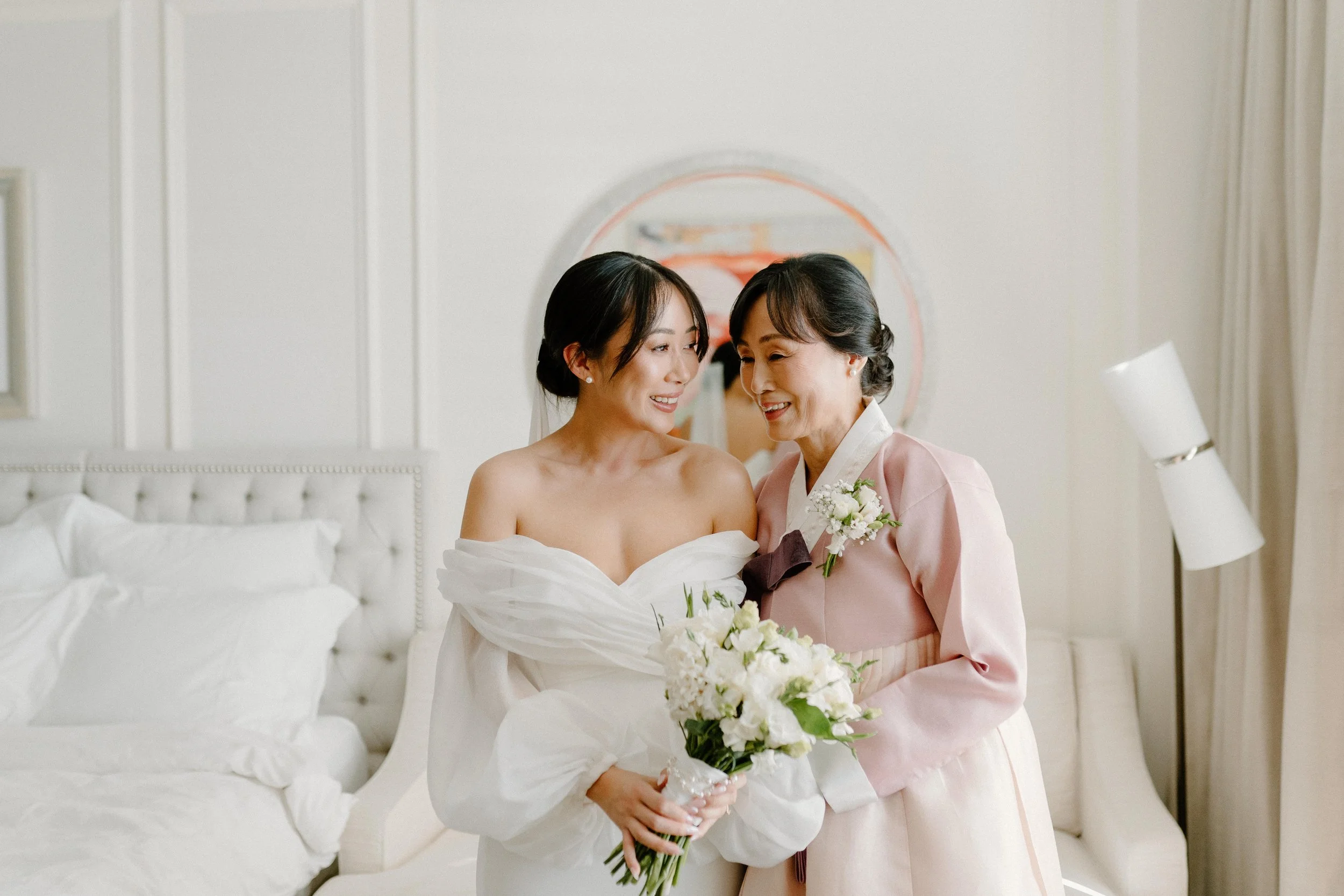
Your hair and makeup should be complete before our arrival, with just a few final touch-ups left for us to capture. This will help prevent delays to your photography timeline.
Please have your wedding details organised and set aside, ready to be photographed. These may include your wedding dress, veil, florals, shoes, perfume, rings and stationery.
Any family members who would like formal portraits with the bride should arrive fully dressed at least 30 minutes before our scheduled departure. Please allow additional time for a first look or reveal with parents / bridal party.
Our team must depart with enough time to arrive at the ceremony location 15–20 minutes before it begins. If you’d like coverage through to the end of bridal preparations, including your departure and time in the bridal car, we recommend adding a second photographer.
Following these guidelines will help keep your timeline running smoothly and ensure a relaxed, enjoyable photography experience on your wedding day.

Travel to the ceremony
Always allow extra time when travelling between locations. If Google Maps estimates a 15-minute drive, we recommend adding at least another 15 minutes as a buffer for traffic, parking and unexpected delays. Keep in mind that vintage bridal cars often travel more slowly than modern vehicles.
Pro Tip: Consider comfort when choosing your wedding transport, particularly for a summer wedding. Some vintage cars don’t have air conditioning, so check before booking and consider the distance between your preparation location and ceremony venue.
Pro Tip: Check whether any major events, road closures or planned works could affect traffic around your locations on the wedding day. This will allow you to adjust your timeline and travel arrangements in advance.
Pro Tip: Avoid sitting in the car for longer than necessary, as this may crease your wedding dress.

CEREMONY
Civil Ceremonies: We allocate a standard 30-minute window, even if your celebrant anticipates a shorter ceremony. This allows time for the processional, ceremony, signing of the marriage register and recessional, along with any additional elements you have planned.
Religious and Cultural Ceremonies: These ceremonies may require additional time depending on their traditions and inclusions. Please confirm the expected duration with your celebrant, priest, minister or officiant before finalising your wedding-day timeline.
Pro Tip: Some churches prohibit flash photography, restrict where photographers may stand or don’t allow photography during certain parts of the ceremony. Please confirm any restrictions before booking your ceremony venue, as we’ll need to consider these requirements when planning your photography coverage.

TIMING
For weddings held between October and April, we recommend scheduling outdoor ceremonies later in the afternoon where possible, ideally around three to four hours before sunset. This helps avoid the harsh overhead light and strong shadows typically experienced during the middle of the day.
From May to September, daylight fades quickly, particularly during winter and outside daylight saving time. We recommend planning for a standard civil ceremony to finish at least two hours before sunset. This allows sufficient time for post-ceremony congratulations, family portraits, bridal party photos and couple portraits while natural light is still available.
For example, if sunset is at 5 pm, a ceremony beginning at 2:30 pm and finishing at 3 pm will provide an ideal two-hour window for post-ceremony photographs.
Religious or cultural ceremonies may require an earlier start due to their longer duration. Always check the sunset time for your wedding date and confirm the expected ceremony length before finalising your timeline.

POST-CEREMONY FORMALITIES
Post-Ceremony Congratulations — 15–20 minutes
After your ceremony and recessional, guests will naturally gather to congratulate you. For a wedding of approximately 85–110 guests, we recommend allowing 15–20 minutes. Larger guest lists may require additional time.
Family Portraits — 20 minutes
Immediately following the congratulations, we’ll move into family portraits. Before your wedding day, our team will ask you to provide a complete list of the family groupings you’d like photographed. Depending on the number of combinations timing may vary.

ONE LARGE GROUP PHOTO
A photograph of all your guests isn’t included as standard, as the time required can often be better spent capturing smaller family and friendship groups. Organising and photographing 100 or more people can take approximately 10 minutes and may be difficult at venues without sufficient space or an elevated vantage point.
If this photograph is important to you, please let us know before the wedding and allow additional time in your photography timeline. We also recommend speaking with your venue about a suitable location and any arrangements needed to help us capture the image efficiently.

BRIDAL PARTY PORTRAITS
Bridal party portraits are taken immediately after your family portraits. We typically recommend allowing around 20 minutes, or up to 30 minutes for a larger bridal party.
Keep in mind that delays during the ceremony, post-ceremony congratulations or family portraits may reduce the time available for your bridal party and couple portraits.
If you’re travelling to another location for these photographs, remember to include sufficient travel, parking and walking time in your timeline.

COUPLE PORTRAITS
Your couple portraits will take place after your bridal party photos and are an opportunity for the two of you to slow down and enjoy some time together.
As visual storytellers, we draw inspiration from genuine emotion, natural connection and the energy between you. Rather than rushing through a series of poses, we allow space for authentic moments to unfold.
We require a minimum of 40 minutes of photography time, although most couples allocate up to one hour. Additional time will be required if you’d like portraits across multiple locations or if travel, parking or walking is involved. Travel time should always be added separately and isn’t included within your portrait allocation.
Allowing sufficient time creates a more relaxed experience and gives us the opportunity to capture a meaningful variety of portraits without keeping you away from your guests for too long.
CONTENT CREATORS
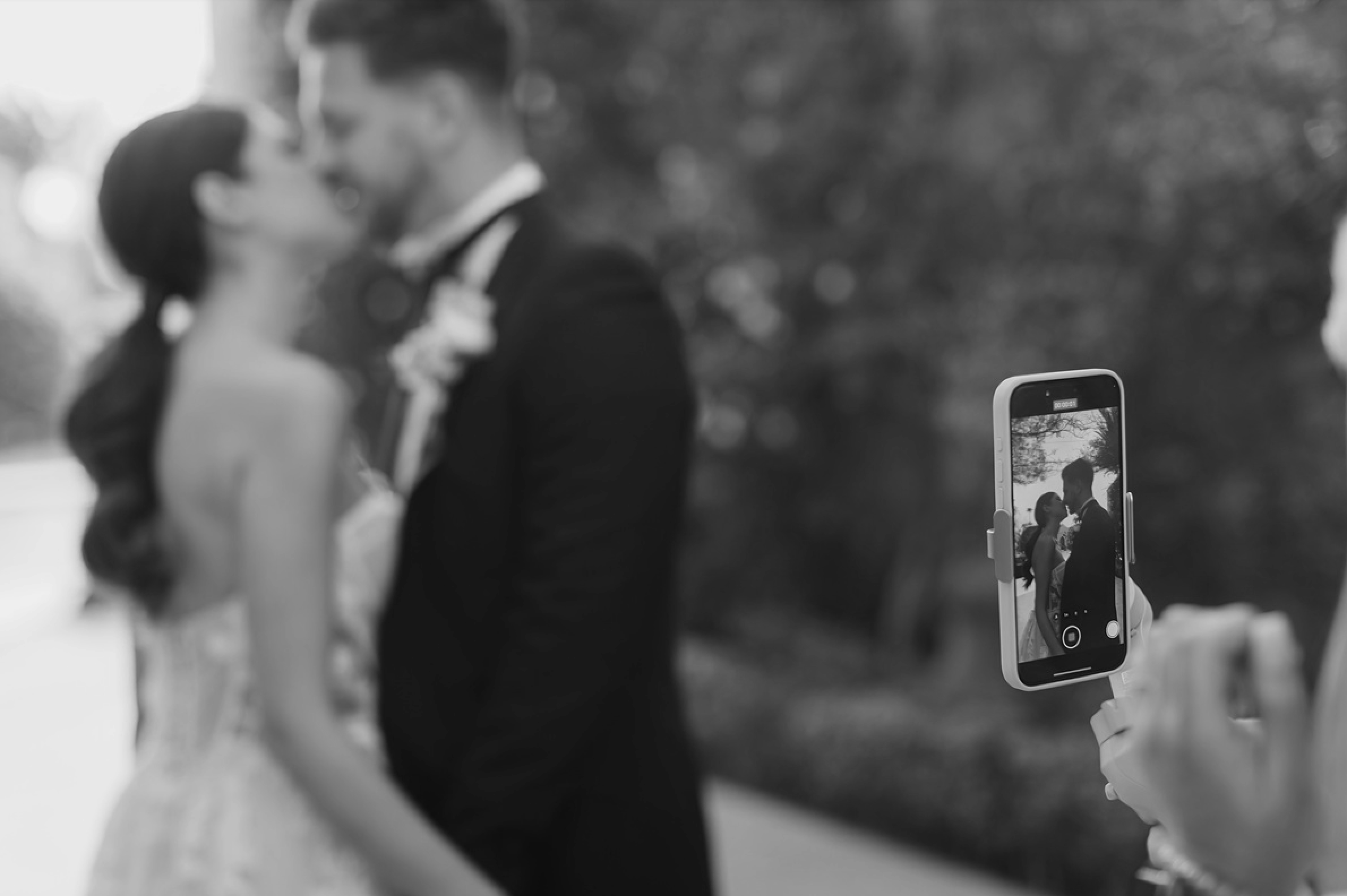
If you’re working with a content creator on your wedding day, additional time may need to be included in your schedule. Capturing behind-the-scenes footage and social media content can be a wonderful addition, but some planned transitions, trends or staged clips may require extra time.
Your photographer and content creator should coordinate their approach in advance so both can capture what they need without competing for time, interrupting key moments or causing delays. Clear priorities and a well-planned timeline will help everyone work together while allowing you to remain present and enjoy your day.
STYLE AND CONSISTENCY
Choose a content creator whose style and approach complement those of your photographer. A highly directed content creator focused on repeatedly staging social media trends may not align with a photographer working in a natural, documentary-led way.
Conflicting approaches can interrupt genuine moments, make the day feel less relaxed and result in photography and content that don’t feel visually cohesive. Selecting vendors with compatible styles, and ensuring they communicate before the wedding, will create a smoother experience and a more consistent record of your day.

BEST TIME OF DAY FOR PHOTOS
The most flattering natural light for couple portraits is often found during golden hour, the period shortly before sunset when the light is softer and warmer.
Outside Daylight Saving Time: Sunset occurs earlier, so your ceremony and portrait timeline should be planned around the available daylight. Ideally, your ceremony will flow directly into family, bridal party and couple portraits before you move into the reception.
During Daylight Saving Time: In the warmer months, sunset often occurs during the reception. We recommend working with your venue to schedule approximately 15–20 minutes to step outside for sunset portraits.
While we’ll always make the most of the available light, sunset conditions can’t be guaranteed. Weather, cloud cover, venue surroundings and delays to reception formalities may affect the timing and appearance of sunset portraits.

COCKTAIL HOUR
Where your timeline and locations allow, we encourage you to join your guests for at least part of cocktail hour. It’s a wonderful opportunity to enjoy the atmosphere, connect with your guests and allow us to capture relaxed, candid moments before the formalities of the reception begin.
RECEPTION DÉCOR AND SETUP
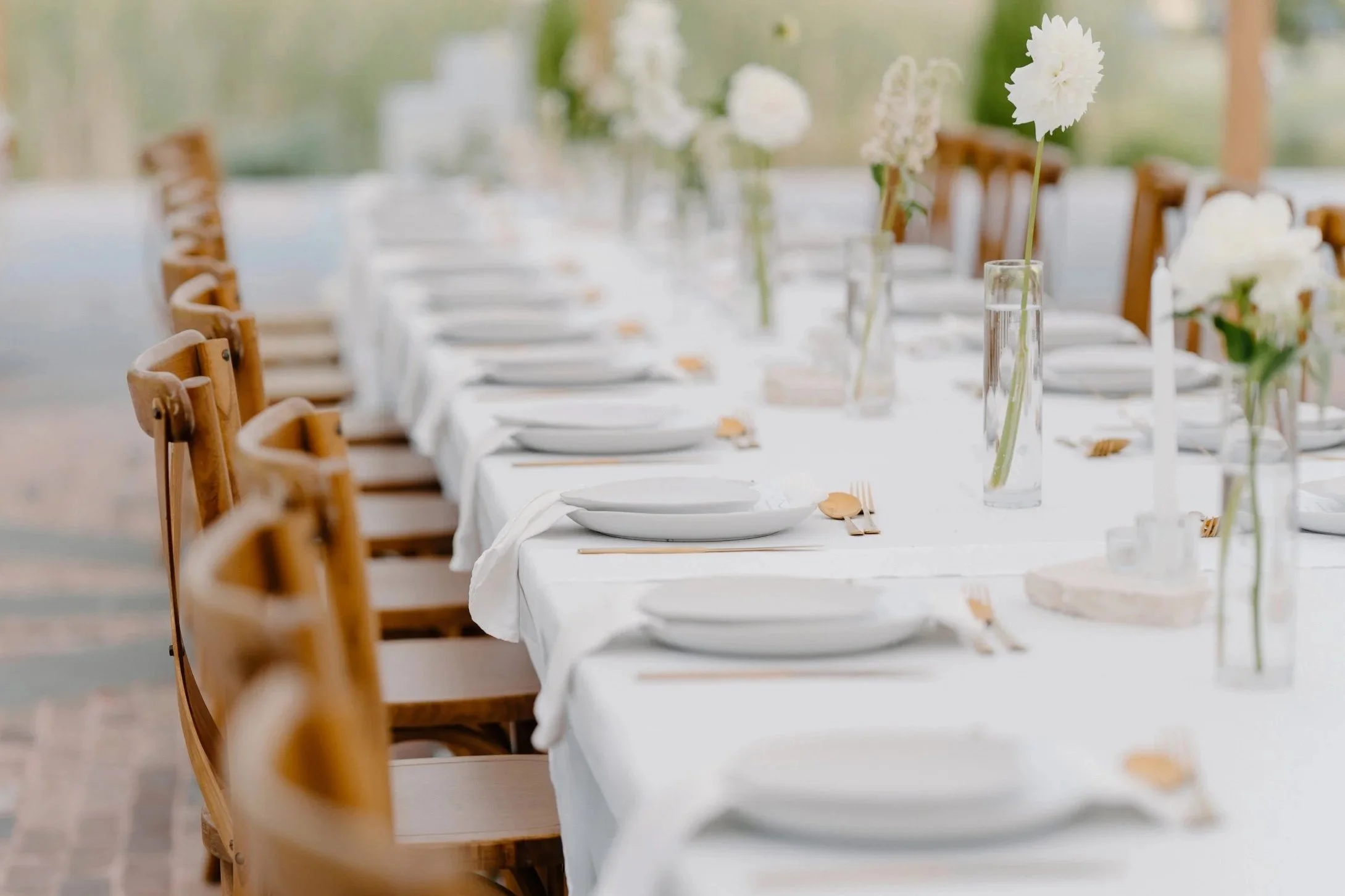
If you’d like your reception space photographed before guests enter, please allow 15–20 minutes in your timeline. The room will need to be fully set, including florals, stationery, candles and place settings, and remain clear of guests while we photograph it.
Depending on your locations and timeline, this may require us to leave your portraits or cocktail hour briefly. A second photographer can be helpful by capturing the reception details while your lead photographer remains with you and your guests.
Please coordinate access and completion times with your venue, planner or stylist in advance so we can photograph the space at its best.


RECEPTION
Most reception venues will provide a suggested timeline based on meal service, staffing and kitchen requirements. This is a helpful starting point, but it may need to be adjusted to reflect your priorities, guest experience and planned photography or film coverage.
Work closely with your venue, planner and key vendors to create a timeline that balances smooth service with a relaxed and enjoyable celebration.
OTHER CONSIDERATIONS
Reception Lighting — Consider how your reception space will be lit after dark. Warm ambient lighting, fairy lights and candlelight can create a beautiful atmosphere, but ensure there is enough practical lighting for guest comfort and safety. Your venue and stylist can help you find the right balance.
Heating for Winter Weddings — If any part of your reception will be outdoors, confirm that adequate heating and wet-weather options will be available to keep your guests comfortable.
Keep Formalities Moving — A concise formalities schedule helps maintain energy and minimise downtime. Consider grouping your final speech, cake cutting and first dance together before opening the dance floor.
Avoid Speeches During Meal Service — Where possible, schedule speeches when guests aren’t eating and waitstaff aren’t serving or clearing meals. This reduces distractions and allows for clearer audio and more flattering photographs and film footage.
Clear Tables Before Speeches — Ask the venue team to clear used plates, bottles and unnecessary glassware from the couple’s and wedding party’s tables before speeches begin. This creates a cleaner backdrop for photography and film.
Plan for Multiple Speeches — If you’re having more than four speeches, consider dividing them into two sections. This can help maintain momentum and prevent guests from sitting through one extended block of formalities.
Guest Transportation — If your ceremony and reception are at different locations, consider arranging transport so guests can arrive safely and on time.
Please also discuss any unique elements, such as fireworks, pyrotechnics, surprise performances or cultural dances, with your venue, planner and photography and film teams early in the planning process. Advance notice allows these moments to be incorporated safely and seamlessly into your timeline.
RAINY WEDDING DAYS
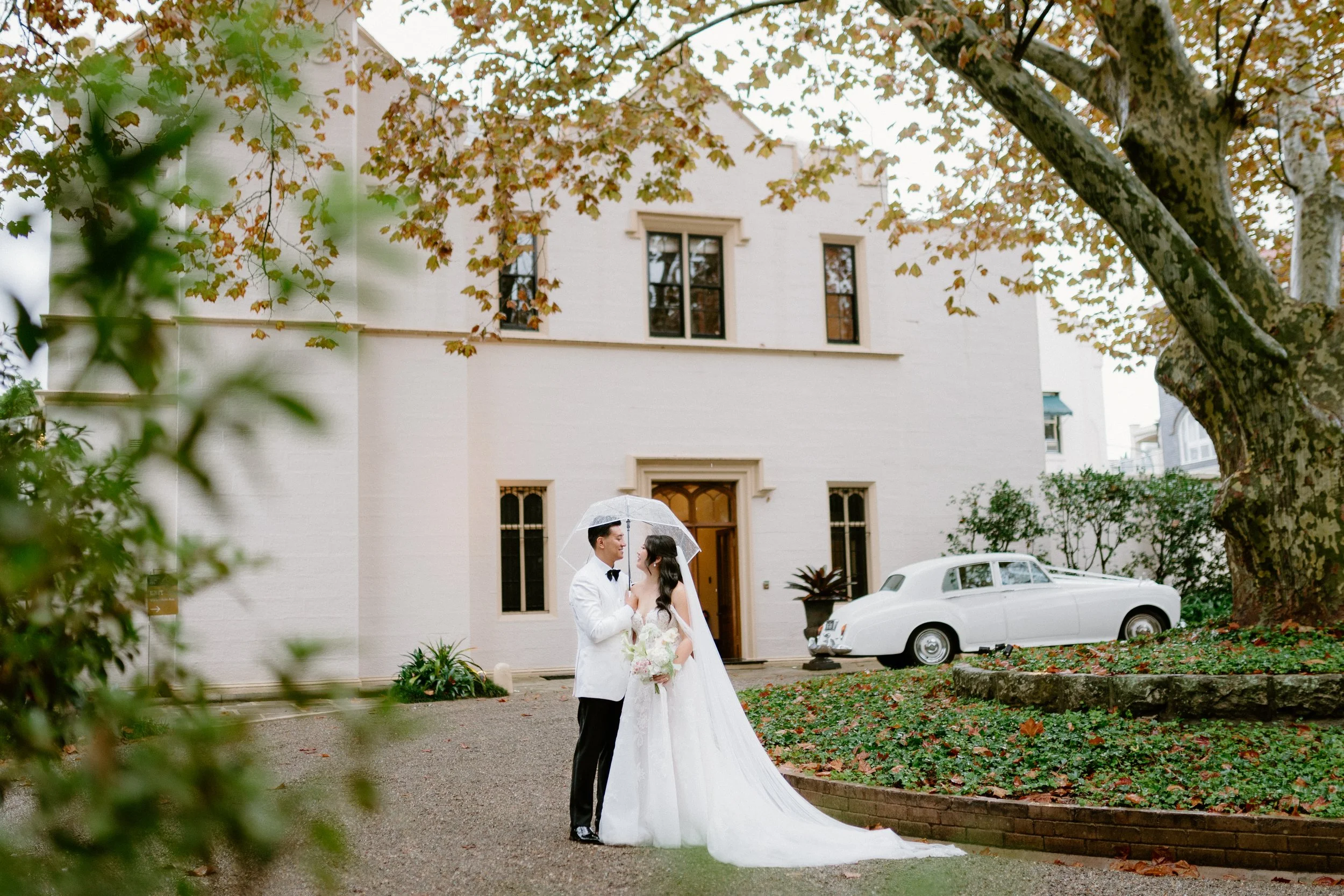
If you’re planning an outdoor ceremony or reception, ensure your venue has a suitable wet-weather backup plan. Discuss the alternative location, decision deadline and setup arrangements with your venue early in the planning process so everyone understands what will happen if the weather changes.
A well-considered backup plan will allow your day to continue smoothly while keeping you and your guests comfortable. It’s also worth considering covered locations for portraits and having clear umbrellas available if you’d still like to venture outside.
Pro Tip: Embrace the weather. Rain can create beautiful, atmospheric photographs, and some of the most memorable moments happen when couples relax, adapt and enjoy the day as it unfolds.
Thoughtful ways to elevate your wedding day
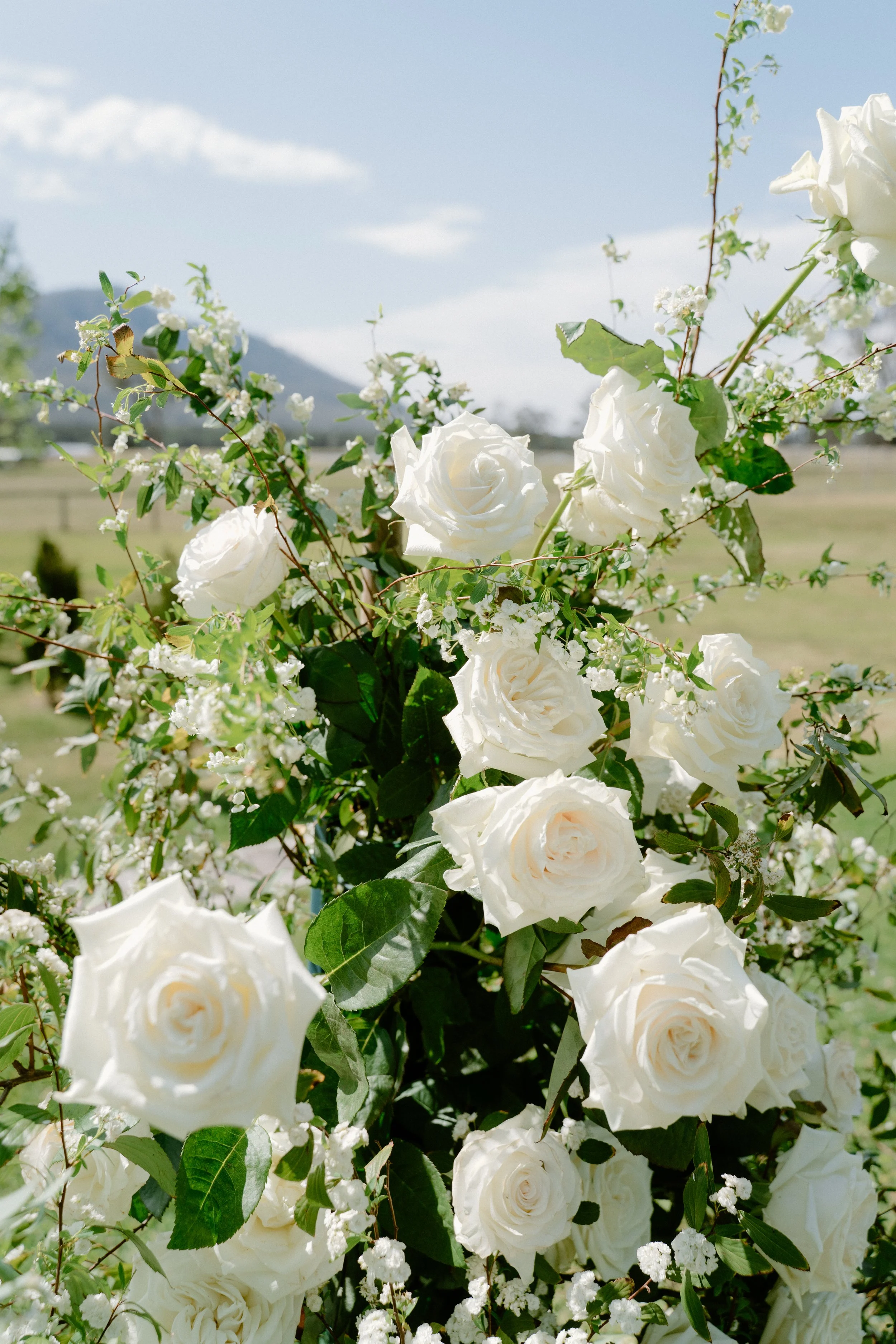
The details that make a wedding feel elevated are often quite subtle. Beautiful fabrics, flattering tailoring, warm lighting and feeling your best all come together to make a difference, both in person and in your photographs.
A beautifully tailored suit
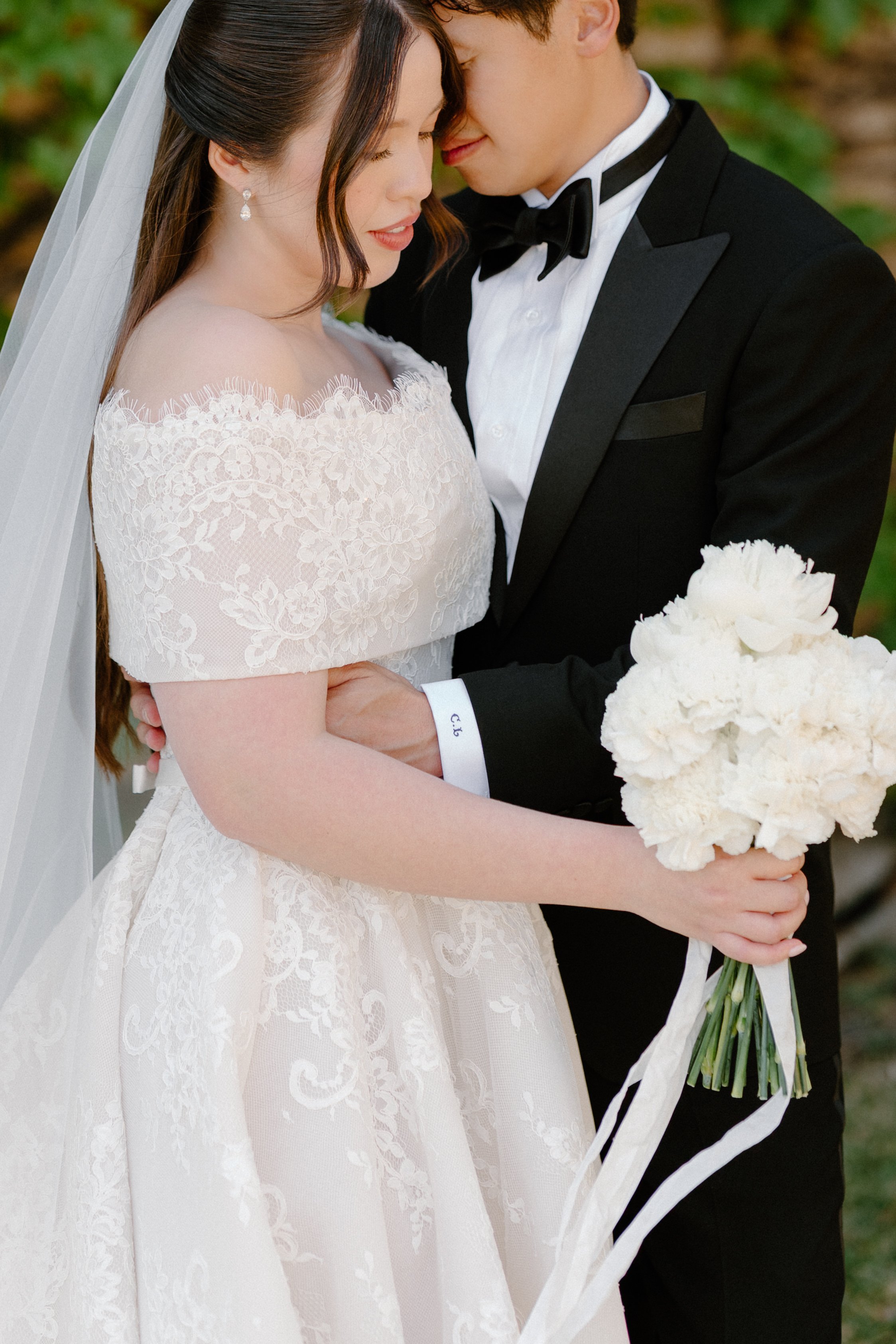
A suit that fits properly makes such a difference. Allow time for alterations, paying attention to the shoulders, sleeve length and where the trousers fall. Personal touches, like initials embroidered on a shirt cuff, add something meaningful and understated.
A quality white shirt
For the groom, a crisp shirt in a thicker, quality fabric creates a beautifully polished finish. A subtle weave or texture adds interest, while a little weight helps the shirt hold its shape and sit neatly beneath a jacket.
An abundance of candlelight
Lots of candles can completely transform the atmosphere of a reception. Grouping them generously along the tables, with varying heights, creates warmth, depth and a lovely glow. Work with your venue and stylist on a setup that suits the space and its candle requirements.
Hair and makeup you feel beautiful in
If you’re deciding where to invest, experienced hair and makeup artists are well worth considering. Look for work that reflects how you want to feel, and book a trial so you can see how everything comes together. The aim is to feel like yourself, with a finish that lasts throughout the celebrations.
Skin prep
Many of our couples begin thinking about their skincare around six months before the wedding. This gives them time to establish a routine and seek personalised advice where needed, without rushing into unfamiliar products or treatments close to the day.
A cohesive palette and beautiful textures
You don’t need everything to match perfectly. A considered mix of tones and textures, carried through your flowers, linen, and stationery, creates a beautiful sense of cohesion. Fabric napkins, chairs and thoughtfully chosen glassware can make even a simple setting feel special.
Room to enjoy it all
One of the most valuable things you can give yourselves is a little breathing room. A relaxed timeline allows you to settle into the morning, spend time with your favourite people and enjoy a few quiet moments together. That ease comes through in your photographs, too.
FINAL NOTE
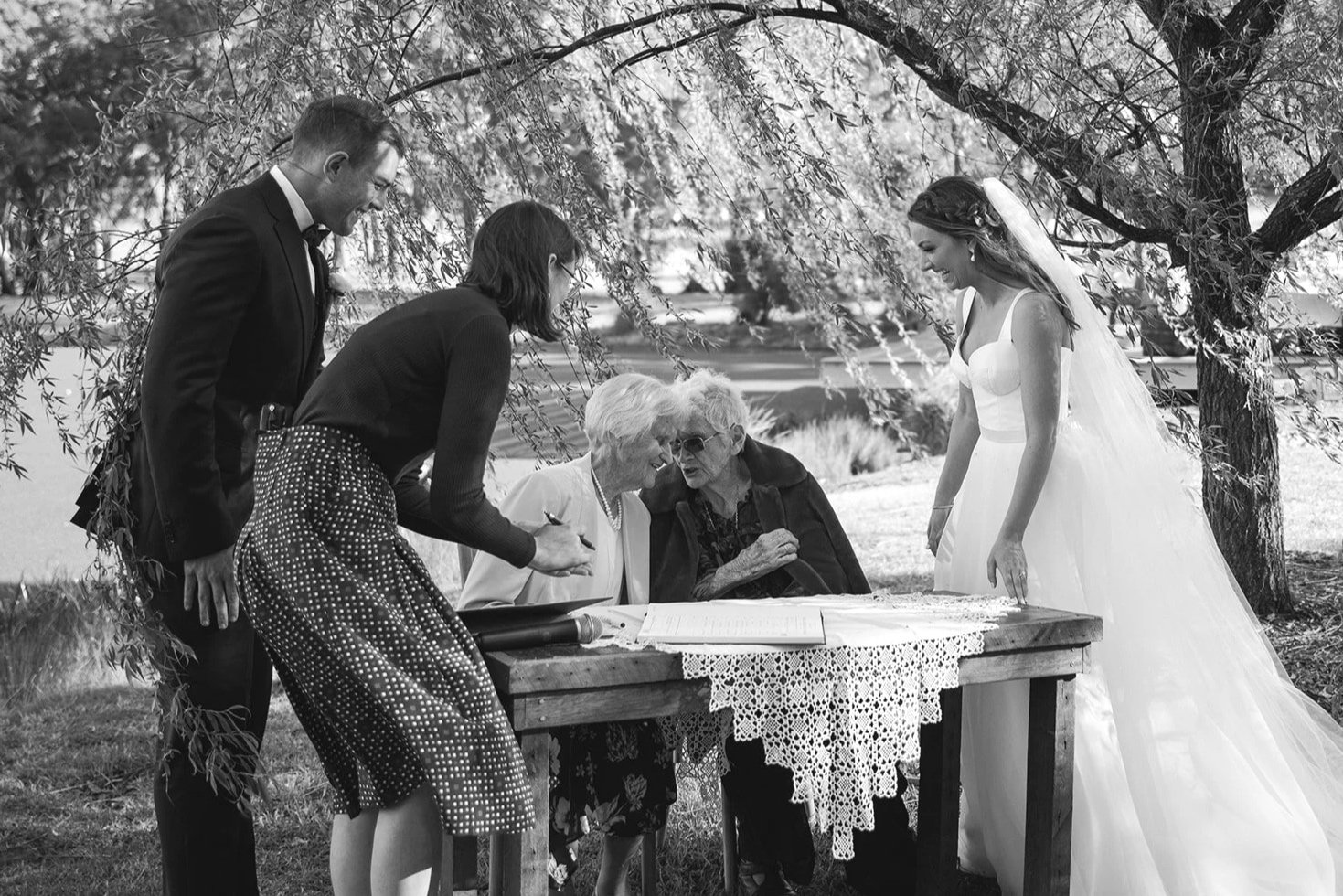
Create space for the people who matter most to be naturally involved in your wedding day. You might ask a parent or grandparent to sign the marriage register, invite your special people to help you into your gown / help with the groom’s jacket during preparations.
Thoughtful involvement like this creates meaningful opportunities for connection and allows us to document beautiful moments as they unfold, without needing to direct or manufacture them.
Most importantly, remember to pause, be present and spend time with the people you love. These genuine interactions often become the most cherished memories from your wedding day.
Happy wedding planning!
